How to Remove Acne Scars Naturally in a Week: What’s Really Possible
In this article
Acne marks often stay long after the breakout itself is gone, and for many people they’re more frustrating than the pimples were. That’s why how to remove acne scars naturally in a week is one of the most searched skincare questions in Pakistan. Most people want a safe, affordable solution they can start at home, without harsh chemicals or expensive treatments.
The reality is more nuanced than most online advice suggests. Flat post acne marks can begin to look lighter within a week of the right care, but true acne scars, the kind that change the texture of your skin, cannot be removed in seven days with any home remedy. Knowing the difference is what separates a routine that works from one that wastes time or irritates your skin.
In this guide by K Beauty Vanity, we explain the different types of acne marks and scars, how long each one realistically takes to fade, a safe 7 day natural plan, the ingredients worth using, the remedies to avoid, and how to care for scars on the back and body.
Can You Really Remove Acne Scars Naturally in a Week?

Short answer: you can fade some marks, but you can’t erase scars.
Most of what people call “acne scars” are actually flat marks left behind after a pimple heals. These are discoloration, not damage to the skin’s structure, and they can start looking softer within a week of gentle care and daily sunscreen.
Real scars are different. Pitted or depressed scars happen when deep inflammation destroys collagen under the skin. Raised scars form when the skin makes too much collagen while healing. Neither type changes much in seven days, and natural remedies alone rarely make a big difference to them.
So if your goal is a brighter, more even looking face before an event, a week is enough to see a difference. If your goal is to completely remove indented scars, you’ll need a longer plan, and probably professional help.
Acne Marks vs Acne Scars: Know What You’re Treating

Before you try anything, look closely at your skin. The type of mark decides what works.
Brown or Dark Marks (PIH)
These are flat brown, dark brown, or greyish spots left after a pimple. They’re called post inflammatory hyperpigmentation, or PIH, and they’re the most common post acne marks on Pakistani skin. Inflammation triggers extra melanin, and that pigment stays behind after the pimple is gone. They’re not true scars, and they do fade, but sun exposure keeps them dark for much longer.
Red or Pink Marks (PIE)
These flat red, pink, or purplish marks are caused by tiny blood vessels that stay widened after a breakout. They’re also not true scars. They’re more common on lighter skin, but plenty of people in Pakistan get a mix of red and brown marks. If redness is your main concern, our guide on how to reduce acne redness covers it in detail.
Pitted or Depressed Scars
These are the scars that change your skin’s texture. Ice pick scars are deep and narrow, boxcar scars are wider with sharp edges, and rolling scars give the skin a wavy, uneven look. They form when collagen is lost, which is why they don’t fill back in on their own.
Raised Scars
Hypertrophic scars are firm, raised bumps that stay within the area of the original pimple. Keloids are similar but grow beyond it and can feel itchy or tender. They’re more common on the chest, back, shoulders, and jawline, and they need a dermatologist’s advice.
The Press Test
If you’re not sure whether a flat mark is red or brown, press a clean fingertip firmly on it for a few seconds and then lift. If the colour fades for a moment and comes back, it’s a red mark from blood vessels. If it stays exactly the same, it’s a pigment mark. If you can feel a dip or bump with your finger, it’s a textural scar.
How Long Does It Take for Acne Scars to Fade?
This is one of the most common questions, and the answer depends entirely on the type of mark.
|
Mark or Scar Type |
Without Treatment |
With Consistent Skincare & Sunscreen |
|
Fresh red marks (PIE) |
3 to 6 months |
4 to 12 weeks |
|
Brown or dark marks (PIH) |
6 months to over a year |
2 to 4 months |
|
Shallow rolling scars |
Rarely improve much |
Slight softening over months |
|
Boxcar & ice pick scars |
Don’t fade on their own |
Need professional treatment |
|
Raised scars & keloids |
May flatten very slowly |
Need professional treatment |
So, do acne scars fade over time? Flat marks usually do, and the right routine speeds them up significantly. Textural scars mostly don’t, although they can look a little less noticeable as the surrounding skin becomes healthier and more even.
Are Acne Scars Permanent?
It depends on what you have. Flat red and brown marks are not permanent. With patience and protection from the sun, the vast majority fade completely.
Indented and raised scars are generally permanent without treatment, because the structure of the skin has changed. That doesn’t mean nothing can be done. Treatments like microneedling, chemical peels, and laser can make a big difference. So yes, acne marks can be removed, and many true scars can be improved a lot, just not with home remedies alone.
Can Pitted Acne Scars Heal Naturally?
Unfortunately, not really. Pitted scars form because collagen under the skin was lost during a deep breakout. Natural ingredients can keep the skin hydrated and healthy, which can make the surface look slightly smoother, but they can’t rebuild that lost collagen in any meaningful way.
Shallow rolling scars sometimes look softer over a long period, especially with good skincare. Deep ice pick and boxcar scars usually need procedures such as microneedling, subcision, chemical peels, or fractional laser to improve. If pitted scars are your main concern, it’s worth booking a consultation with a qualified dermatologist instead of spending months on remedies that can’t reach the problem.
7 Day Natural Plan to Fade Acne Marks

This plan is designed for flat brown and red marks. It’s gentle, uses ingredients easily available in Pakistan, and avoids anything that could irritate your skin right before an event. Sunscreen every morning is the one step you can’t skip on any day.
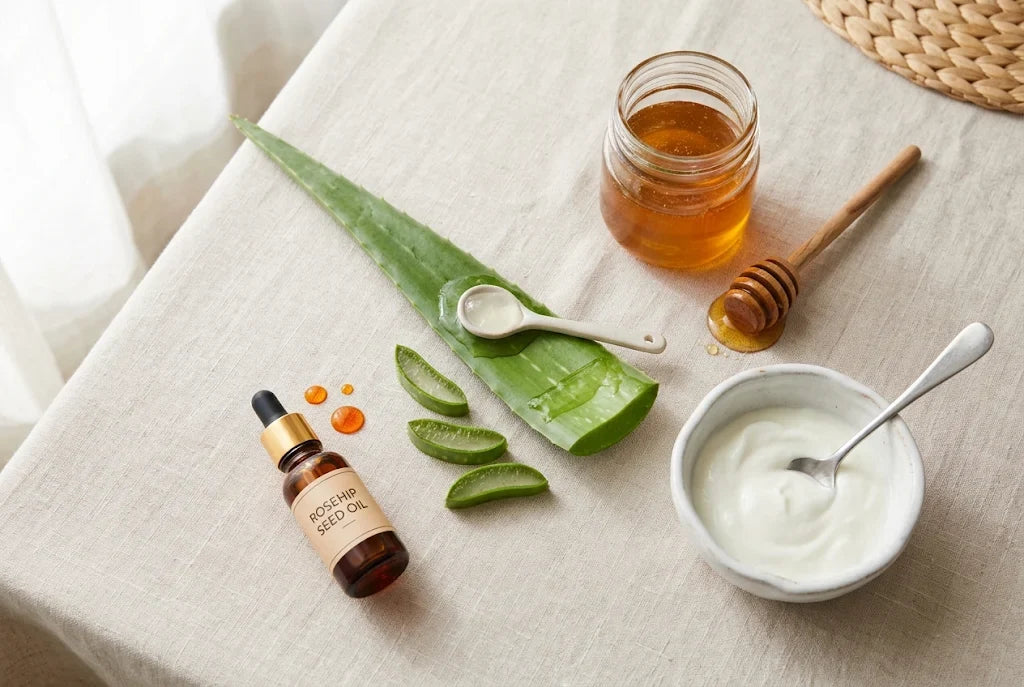
Days 1 and 2: calm and reset. Wash your face morning and night with a gentle, low pH cleanser and lukewarm water. At night, apply a thin layer of pure aloe vera gel to clean skin and leave it on. Finish with a light moisturizer. Stop using any scrubs, strong toners, or products that sting. The aim for these two days is to calm your skin so it heals better.
Days 3 and 4: hydrate and soothe. Keep the same cleansing routine. In the evening, apply a thin layer of raw honey to your face for 15 to 20 minutes, then rinse with lukewarm water. Honey keeps the skin moist and has mild antibacterial properties, which helps calm healing skin. Follow with aloe vera or your usual moisturizer.
Days 5 and 6: gentle smoothing. Mix one tablespoon of plain yoghurt with a teaspoon of finely ground oats and apply it as a mask for 10 minutes. Yoghurt contains a small amount of lactic acid, which is a mild exfoliant, and oats are soothing. Rinse gently without scrubbing. If you’re not acne prone right now, you can also press a couple of drops of rosehip oil onto your marks at night.
Day 7: protect and glow. Use a cooled green tea compress on your face for a few minutes to calm the skin, then moisturize well. Hydrated skin reflects light better, which makes marks look less noticeable. Apply sunscreen generously before you head out.
By the end of the week, most people notice that their skin looks calmer, fresher, and a little more even. Fresh marks may look lighter. Older marks and true scars will need more time.
Natural Ingredients That Actually Help
If you want to know how to get rid of acne scars at home over the longer term, these are the ingredients worth using.
Aloe Vera
Aloe vera is soothing, lightly hydrating, and supports the skin’s healing process. It’s especially useful for fresh marks and irritated skin. Use pure gel from the plant or a product that’s close to 100% aloe, without added alcohol or strong fragrance.
Honey
Raw honey draws moisture into the skin and has natural antibacterial properties. It won’t bleach dark marks, but it keeps healing skin comfortable and supported, which helps marks fade more evenly.
Rosehip Oil
Rosehip oil is rich in fatty acids and natural vitamin A compounds, and some small studies suggest it can help improve the look of scars and uneven texture over time. It can feel heavy on very oily skin, so use just a few drops on the marks themselves and avoid it on active breakouts.
Yoghurt
Plain, unflavoured yoghurt has a small amount of lactic acid that gently loosens dead skin. It’s a mild option for smoother looking skin, though the effect is much gentler than a proper exfoliating product.
Green Tea
Green tea contains antioxidants and has a calming effect on inflamed skin. Cooled green tea compresses or a green tea toner can help reduce redness and keep skin balanced while marks heal.
Always patch test a new ingredient on your inner arm or behind your ear for 24 hours before using it on your face.
Remedies to Avoid on Acne Scars

Some of the most shared home remedies in Pakistan can actually make acne marks darker and longer lasting. This is especially true for brown marks, because irritation triggers even more pigment.
Lemon juice is highly acidic and makes your skin more sensitive to the sun. On Pakistani skin, it can easily cause irritation and new dark patches instead of fading old ones.
Baking soda is strongly alkaline and disrupts the skin’s natural pH, leaving it dry, irritated, and more prone to breakouts.
Toothpaste is made for teeth. It can burn the skin and leave marks of its own.
Strong apple cider vinegar is very acidic. Used undiluted or too often, it can cause redness and even chemical burns.
Harsh scrubs, like crushed walnut shells, coarse sugar, or rough cloths, create tiny tears in the skin and lead to more inflammation and more marks.
If a remedy stings, burns, or leaves your skin red, stop using it immediately.
When Natural Isn’t Enough: Gentle Actives That Work Faster

Natural ingredients are a great starting point, but if you want marks to fade noticeably faster, a few well researched skincare actives make a real difference while still being gentle on the skin.
Niacinamide helps reduce the transfer of pigment to the skin’s surface and strengthens the skin barrier, while tranexamic acid targets stubborn dark marks. Together, they’re one of the most effective combinations for brown post acne marks. The Anua Niacinamide 10 TXA 4 Serum combines both in one formula.
Azelaic acid is another excellent option. It helps fade both red and brown marks, calms inflammation, and fights acne causing bacteria, so it helps prevent new marks too. The Anua Azelaic Acid 10 Serum is a gentle choice that suits most skin types.
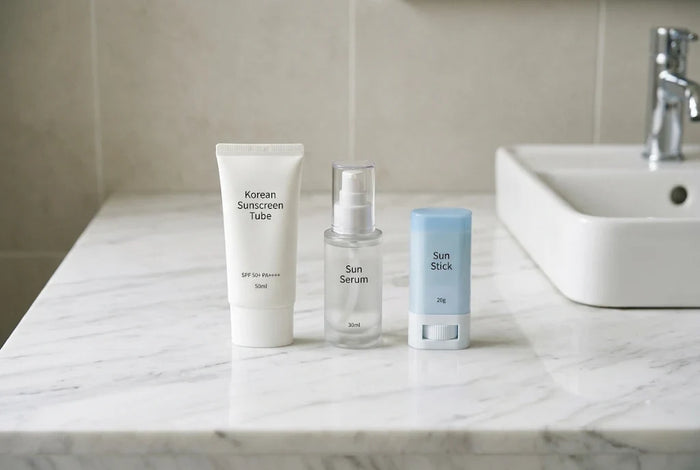
And none of this works without sunscreen. UV exposure darkens pigment marks and slows down healing, which is why daily sun protection is the single most important step for fading acne marks in Pakistan. Find a lightweight formula in our Korean sunscreen collection.
For a deeper look at serums for pigmentation and marks, read our guide to the best Korean serums for pigmentation and acne scars.
How to Get Rid of Body Acne Scars
Acne doesn’t only show up on the face. Many people deal with marks on the back, chest, shoulders, and even the buttocks, and these areas need slightly different care.
Back, Chest & Shoulder Scars
Body skin is thicker than facial skin, so marks there often take longer to fade. Shower soon after sweating, especially in summer, and wear loose cotton clothes that let your skin breathe. Use a gentle body wash, and exfoliate two to three times a week with a mild exfoliating body product instead of a rough loofah. Moisturize daily, and apply sunscreen to any area exposed to the sun, such as the shoulders and upper chest.
Raised scars and keloids are more common on the chest and back. If you notice firm, raised scars that are growing or itching, see a dermatologist rather than trying home remedies on them.
How to Remove Acne Scars From Buttocks Naturally
Breakouts on the buttocks are often caused by friction, sweat, and tight clothing, and sometimes they’re actually inflamed hair follicles rather than true acne. The dark marks they leave are usually pigment marks, which fade with time and the right care.
Wear breathable cotton underwear, avoid sitting in sweaty clothes for long periods, and change out of gym or tight clothes as soon as possible. Exfoliate gently a few times a week to stop dead skin from clogging follicles, and moisturize daily with a light, non greasy lotion. Aloe vera can soothe irritated areas. Avoid picking or shaving over active bumps. With consistency, most of these marks fade over a few months.
How to Stop New Acne Scars From Forming
The best way to deal with acne scars is to prevent new ones. A few simple habits make a huge difference:
-
Never pop or pick your pimples. Squeezing pushes inflammation deeper and dramatically increases the chance of a mark or scar.
-
Cover pimples with a patch. A hydrocolloid patch like the COSRX Acne Pimple Master Patch protects the spot and stops you from touching it.
-
Treat breakouts early. The longer a pimple stays inflamed, the more likely it is to leave a mark.
-
Wear sunscreen every day. It stops new marks from darkening.
-
Be gentle with your skin. A healthy skin barrier heals faster and scars less. If your skin feels constantly irritated, read our guide on how to repair a damaged skin barrier.
When to See a Dermatologist
See a qualified dermatologist if you have pitted, deep, or raised scars, if your marks haven’t improved after two to three months of consistent care, or if you still get painful or cystic breakouts. Professional treatments like chemical peels, microneedling, and laser can improve scars that no home remedy can reach, and treating active acne properly is the best way to prevent new scarring.
Final Word
If you’re wondering how to remove acne scars naturally in a week, the realistic answer is this: you can make flat marks look lighter and your skin look calmer and more even in seven days, but true scars need more time and often professional help. Start by figuring out what type of mark you have, follow a gentle routine, use safe natural ingredients like aloe vera and honey, wear sunscreen every single day, and stay away from lemon, baking soda, and harsh scrubs.
When you’re ready to speed things up, gentle Korean actives can help marks fade faster without irritating your skin. Explore our range of 100% original Korean acne products at K Beauty Vanity, with cash on delivery across Pakistan and free delivery on orders above Rs. 3,500.
Frequently asked questions
Can acne scars go away in 7 days?
True scars can’t go away in 7 days. Flat red and brown marks can start to look lighter and less noticeable within a week of gentle skincare and daily sunscreen, but complete fading usually takes several weeks to a few months.
Do acne scars fade over time on their own?
Flat marks usually fade on their own, but it can take many months, and sun exposure slows the process. Pitted and raised scars rarely fade by themselves and generally need professional treatment.
Which natural ingredient is best for acne scars?
Aloe vera is one of the safest and most helpful natural options for most skin types. Honey and rosehip oil can also support healing. For faster results on dark marks, gentle actives like niacinamide, tranexamic acid, and azelaic acid work better than home remedies.
Can I use lemon on acne scars?
It’s best to avoid it. Lemon juice is very acidic and makes the skin more sensitive to the sun, which can cause irritation and even darker marks, especially on medium to deep skin tones.
Why do acne marks look darker on Pakistani skin?
Medium to deeper skin tones have more active pigment cells, so inflammation from a pimple is more likely to trigger extra melanin. That’s why brown marks are so common in Pakistan, and why sunscreen and gentle, non irritating skincare matter so much.
This article is for general guidance only and isn't medical advice. Always patch test new products, and see a dermatologist for ongoing skin concerns.